
Columbia University
&
Instituto Affari Internazionale
Why Europe Matters
A Documentary about real threats and real choices facing Europe.
Europe is at a crossroads. Caught between geopolitical rivalry, rising nationalism, and compounding economic, environmental and social crises, the conversation about Europe's future has never felt more urgent, or more uncertain.
Why Europe Matters travels from London to Vienna, Paris to Warsaw, and many cities in between, to speak with some of the continent's leading thinkers, policymakers and advocates. Their diagnosis is sombre, but their conviction is clear: a stronger Europe is not only necessary, it is within reach. This is a film about threats, but more than that, it is a film about agency. About what Europe can still choose to be. When it comes to the continent's future, optimism and pessimism must give way to activism.
Featuring: Adam Tooze, Adelaide Charlier, Anthony Gardner, Anu Bradford, Arancha González, Guntram Wolff, Ivan Krastev, Katarzyna Pisarska, Lea Ypi, Luuk van Middelaar, Nathalie Tocci, Simone Tagliapietra, Sylvie Goulard and Timothy Garton Ash.
In association with Columbia University and the Istituto Affari Internazionali.
When the Instituto Affari Internazionale and Columbia Law School approached us with an idea of a documentary about Why Europe Matters we relished the challenge that this project would provide. They wanted a documentary that could carry a serious geopolitical argument across multiple contributors, multiple countries and multiple topics, without retreating into complex language and without turning the film into a depthless explainer video.
This is how we made it.
The Story We Set Out to Tell
The idea was Anu's. She came to us with a question she wanted answered on film: at a moment when Europe's relevance is openly contested by its own citizens, by its allies, and by powers who would prefer it weaker, what is the case for Europe still mattering? Our job was to take that question and build a film that could carry the weight of it.
In practice, that meant moving fast. The early months of the project were spent on the ground rather than at the writing desk. We organised contributors across multiple countries, coordinated travel, and conducted the interviews that would become the spine of the film. The structure was not handed to us in advance, and we did not try to force one prematurely. We trusted that if we captured the right conversations with the right people, the argument would reveal itself in the material.
It did. The structure of Why Europe Matters was built in the edit, from hours of interview footage, by listening carefully to what our contributors had actually said and finding the through-line inside it. That is a harder way to make a film than working from a locked script, but it is often the honest way to handle a serious subject. The argument we ended up with is stronger because it was earned from the material rather than imposed on it.
This is one of the things we offer as a production partner. We can move quickly when a project demands it, hold our nerve when the shape of a film is not yet clear, and find the structure in the edit when that is where it needs to be found. Not every project can be planned end to end before the cameras roll. The ones that cannot need a partner who can adapt.
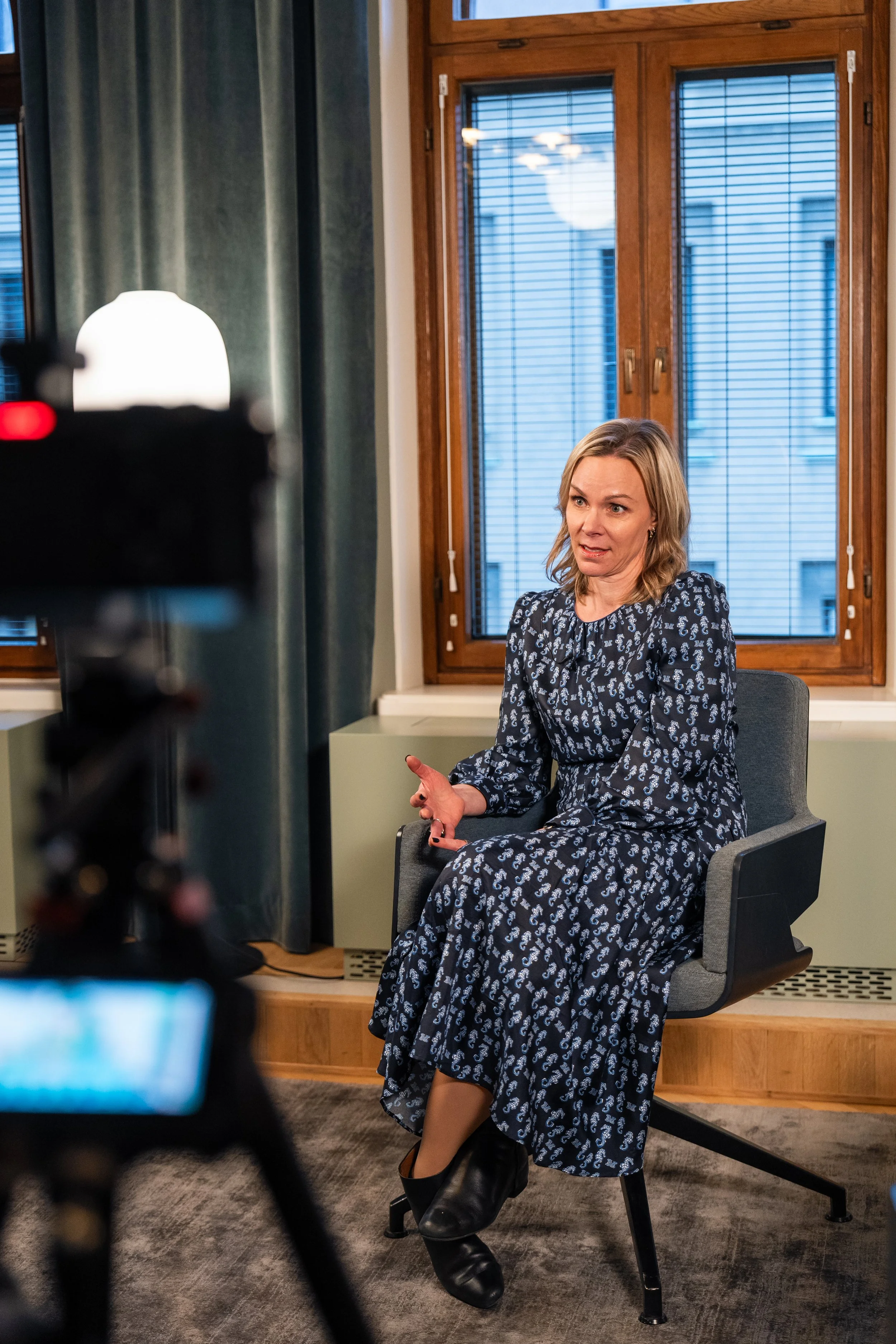
Interview with Professor Anu Bradford, Helsinki, Finland
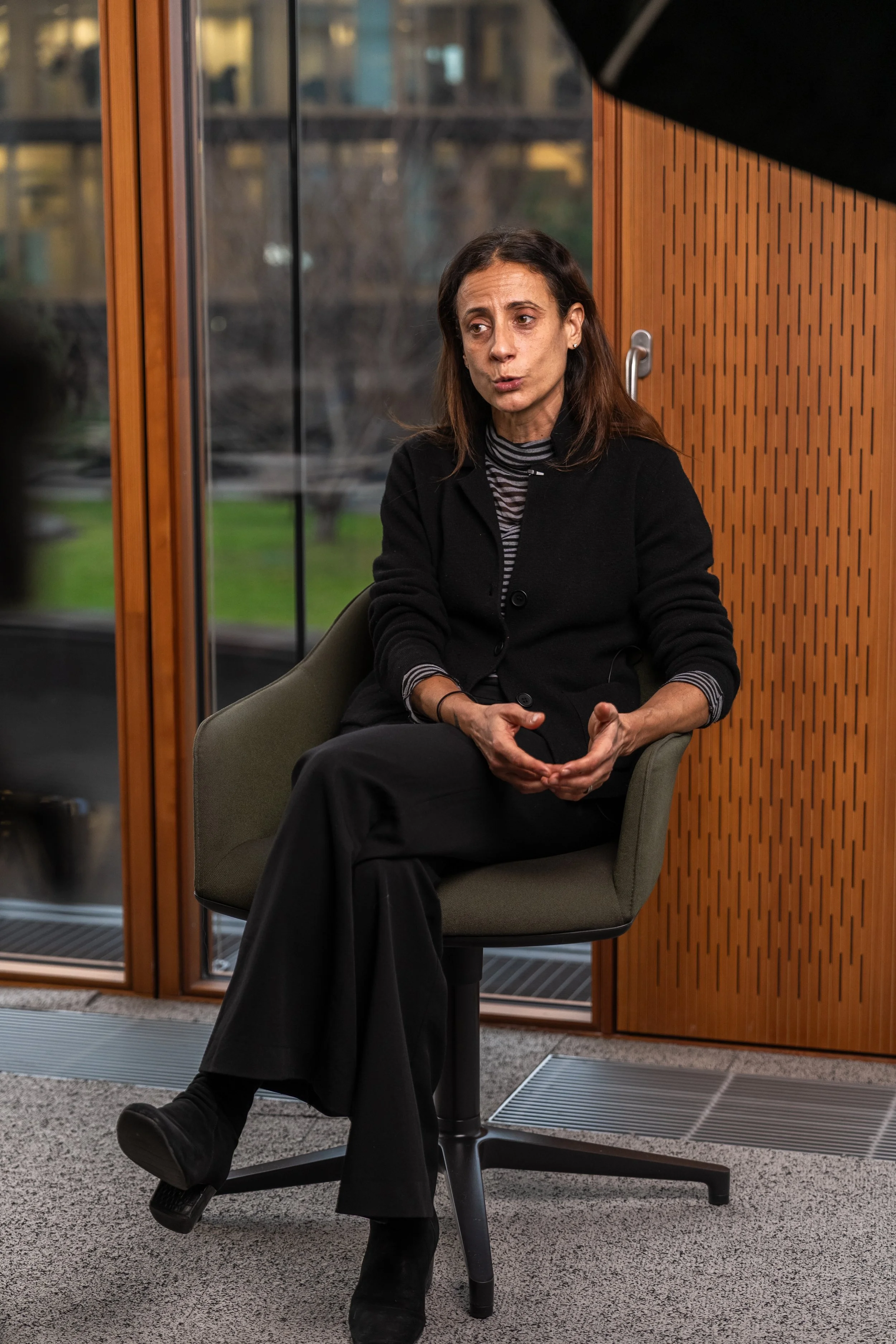
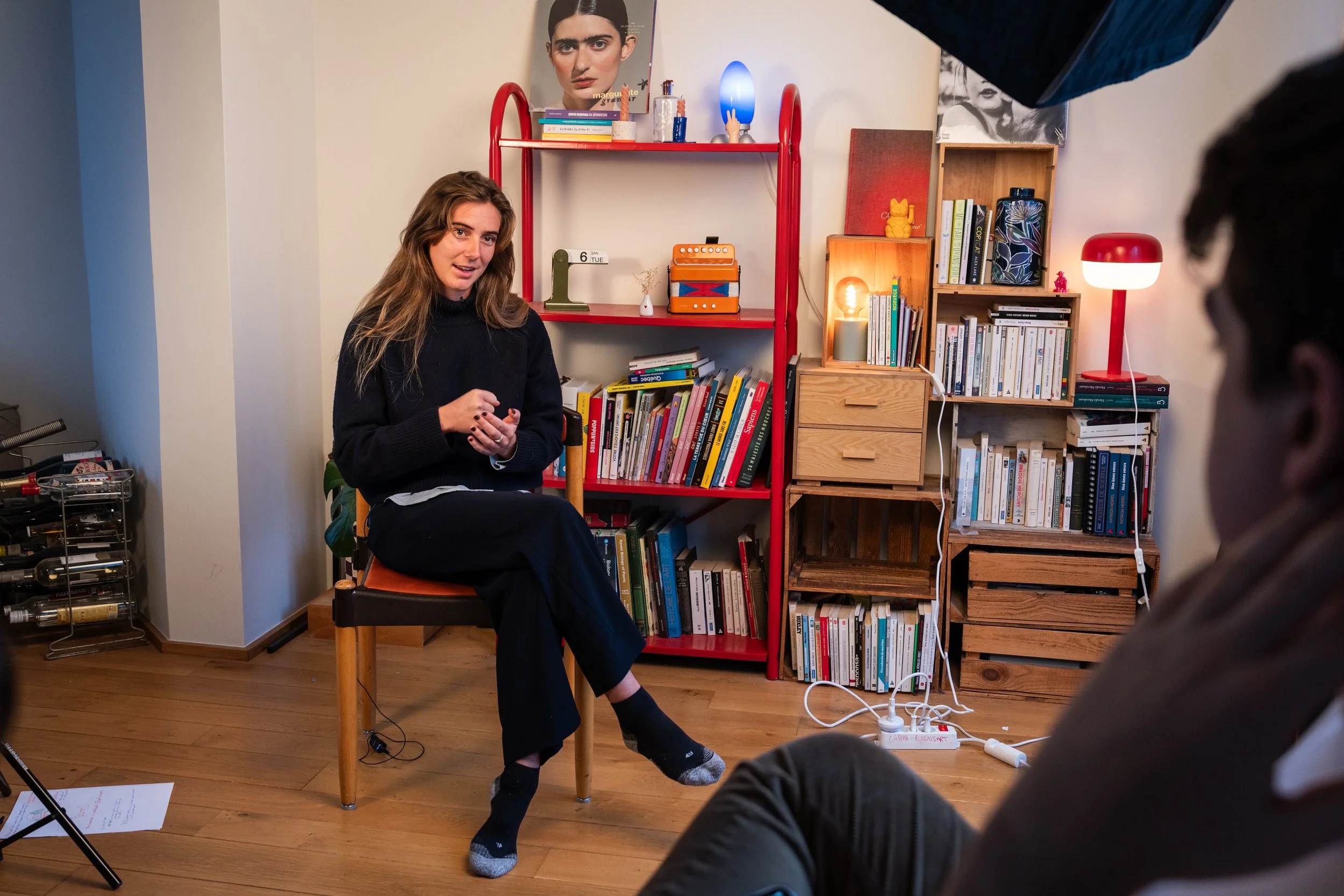
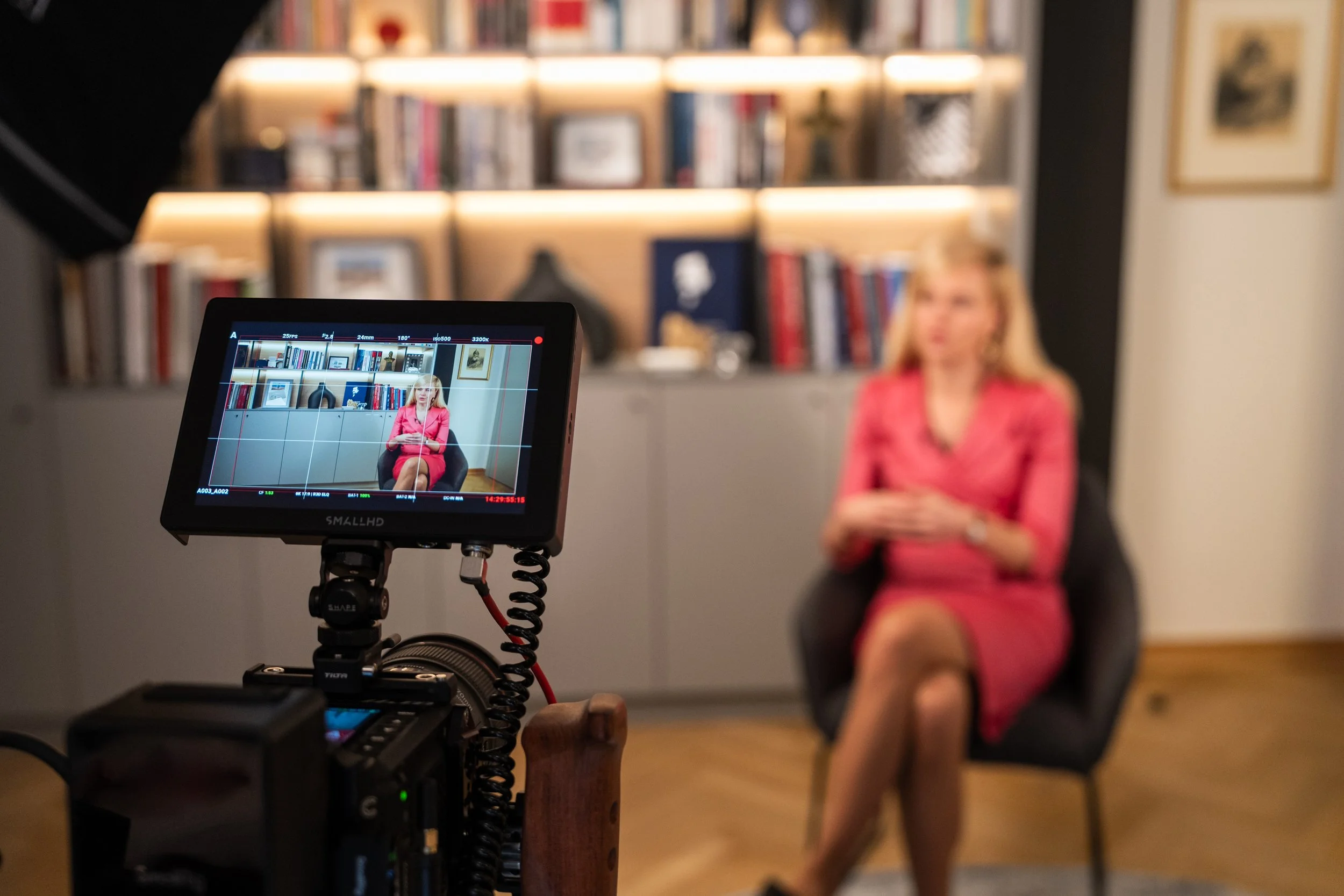
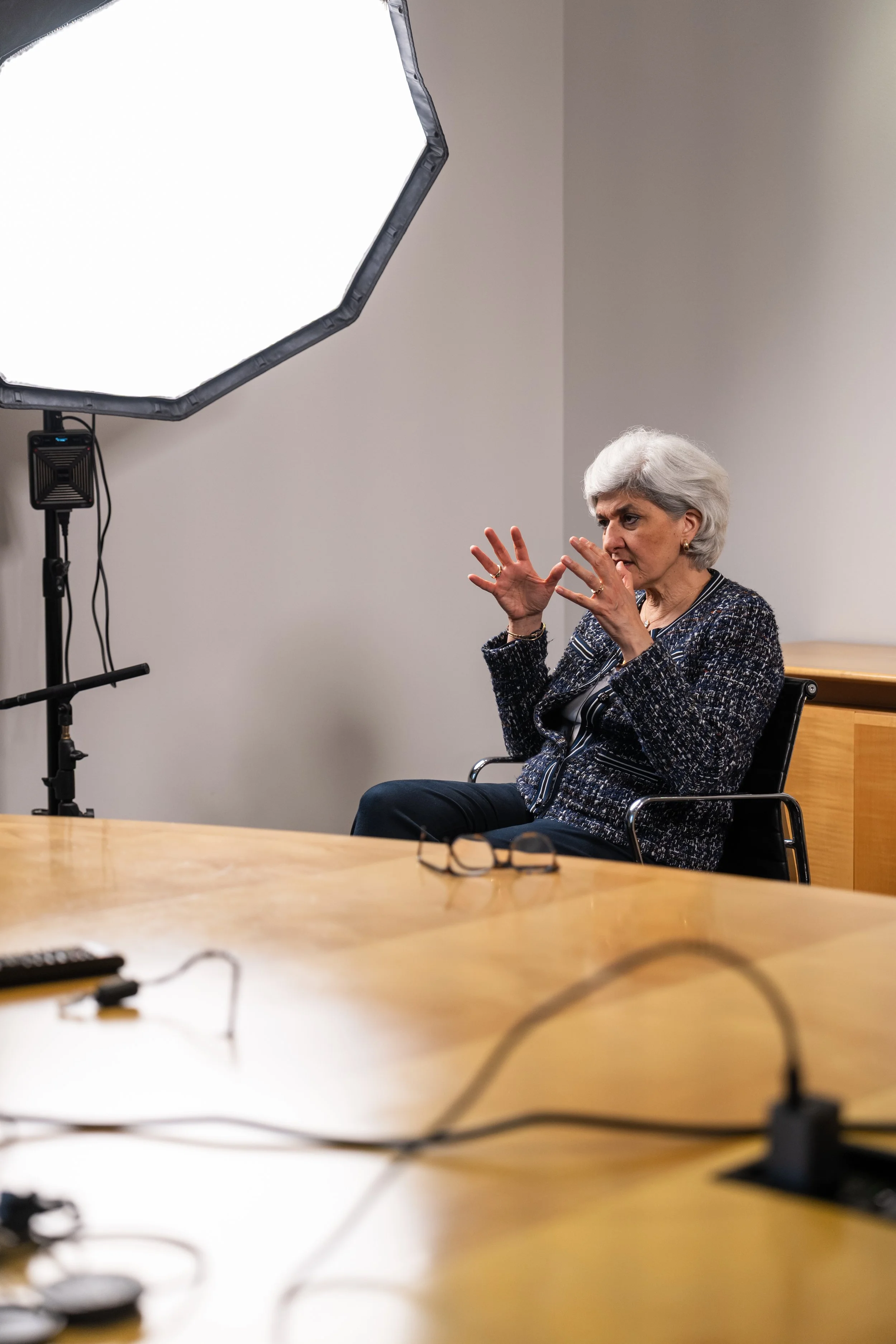
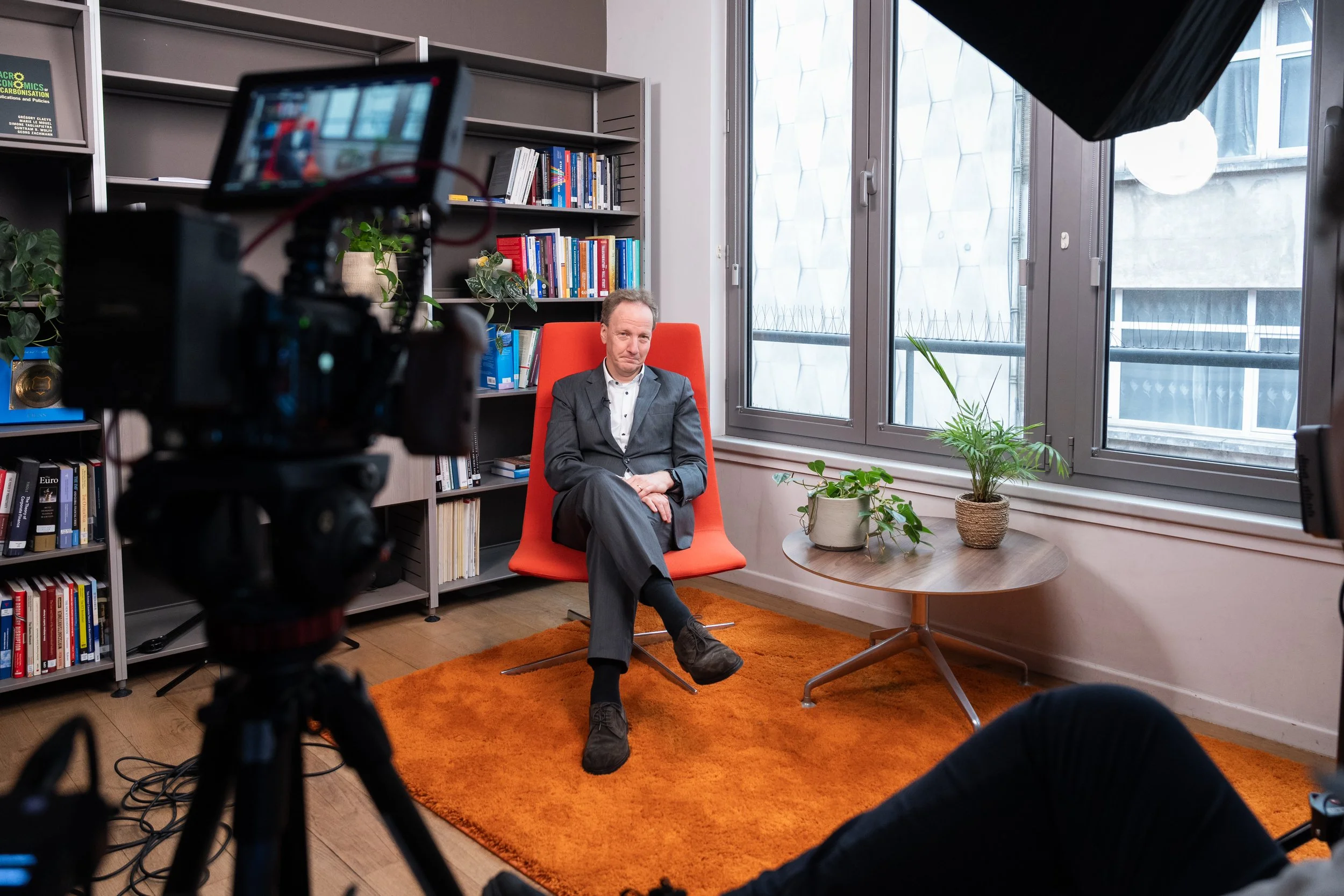
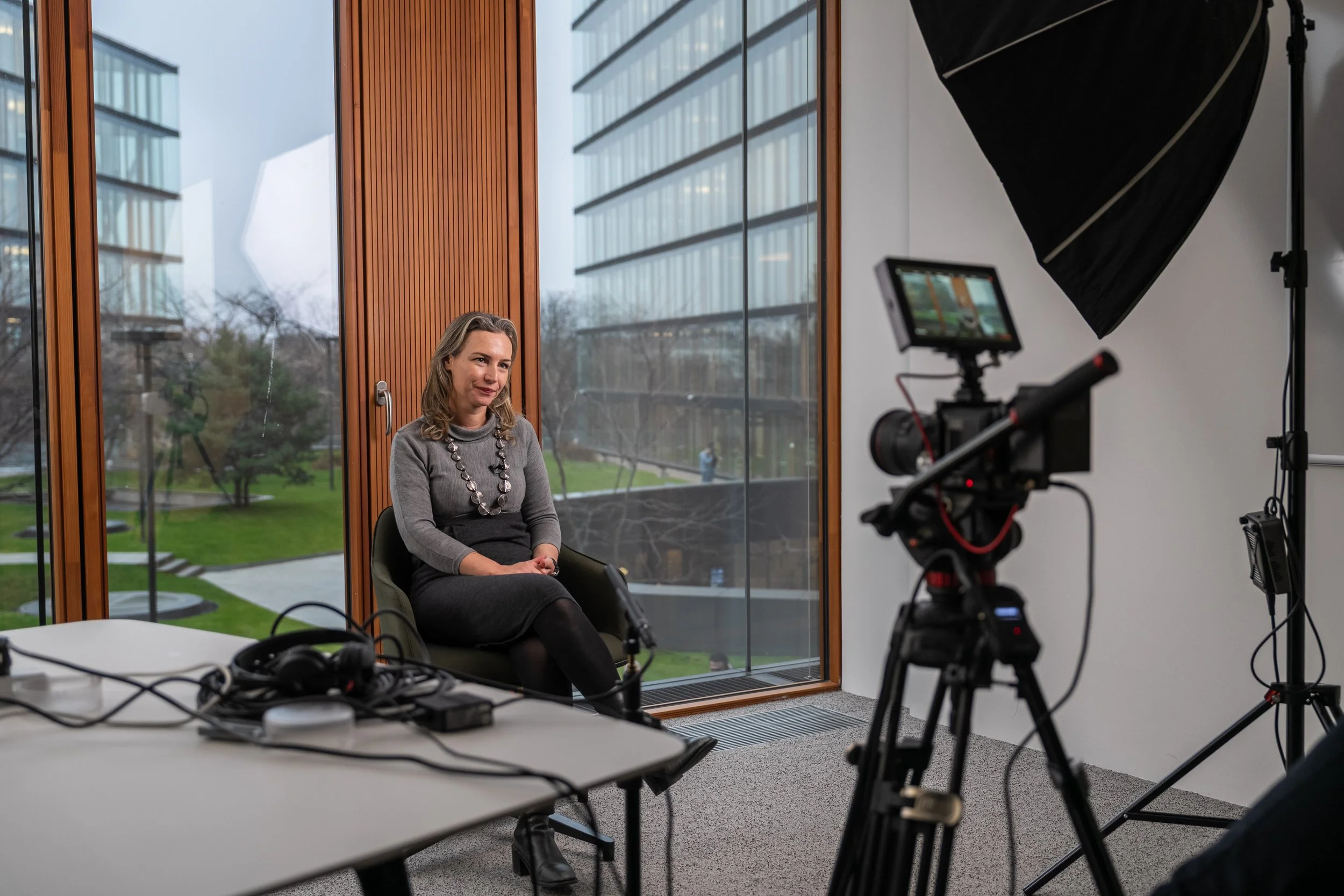
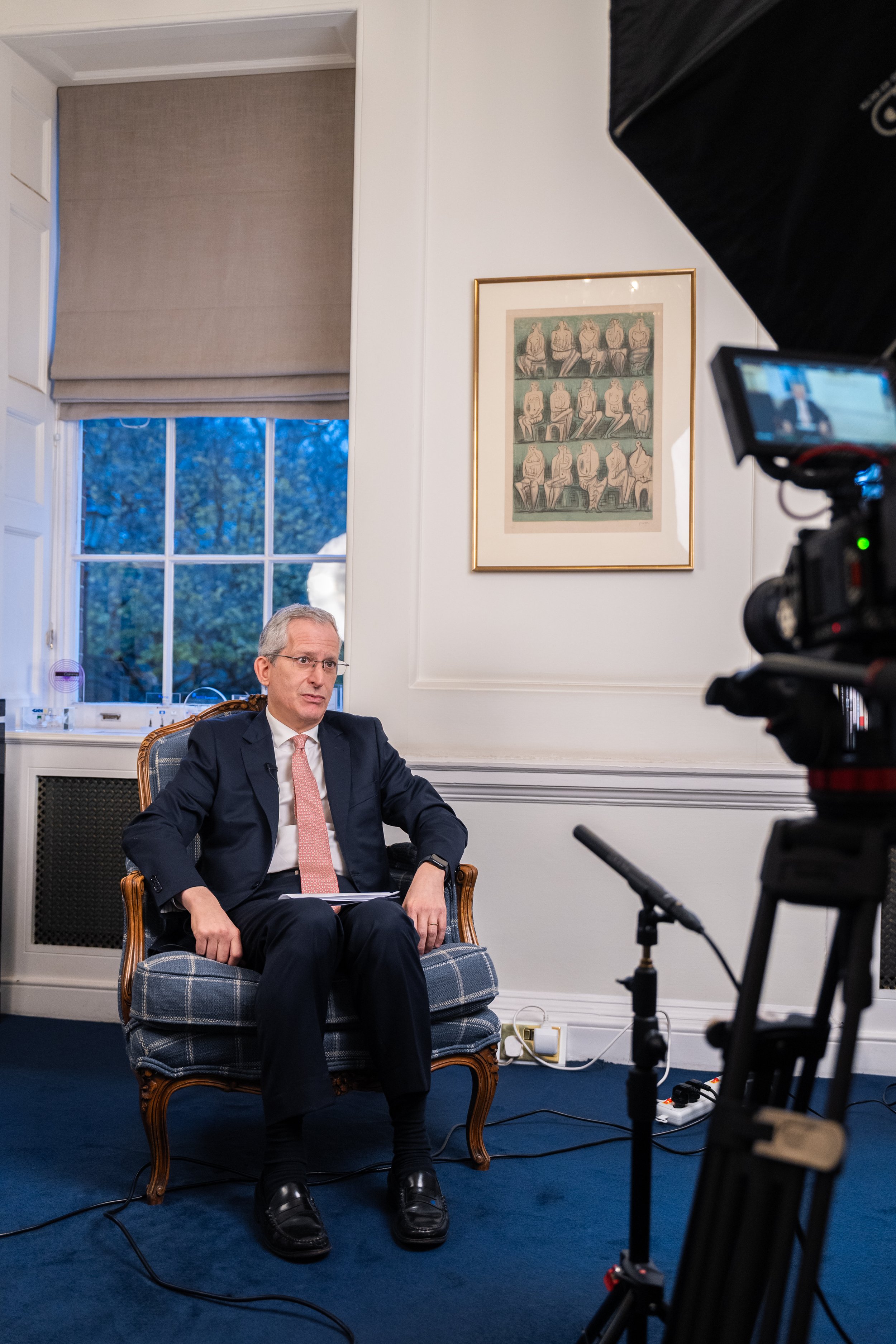
Interview with Anthony Gardner, London, United Kingdom
The Challenges
A documentary of this scope brings logistical problems dressed up as creative ones. Contributors spread across multiple cities and institutions, each with their own diaries and access constraints. Interview windows measured in minutes rather than days. A film whose structure would not be known until the edit, which meant every interview had to be conducted as if it might carry significant weight in the final cut, because any of them could.
Our job was to absorb that complexity on our side. We prepared individually for every interview, researched each contributor's work, and went into every conversation knowing what we needed and where the gaps still were. That preparation showed up in the room. Contributors gave us material we could actually use, in the time we had, because they understood the seriousness of what they were being asked to contribute to.
The edit carried its own challenge. Hours of interview footage from multiple countries, partner institutions with legitimate stakes in the outcome, and no pre-locked structure to fall back on. We worked methodically, listening for the argument inside the material and shaping the film around what the contributors had actually given us. We shared cuts with our partners at deliberate milestones rather than continuously, so the conversations we had with them were about refinement rather than rebuilding. That is how films with multiple stakeholders stay coherent.
The Outcome
What we delivered is a documentary that holds together as a film. The argument lands. The contributors feel of a piece rather than collected. The visual world is consistent from country to country, and the film moves at a pace that respects both its subject and its viewer.
For Anu and the partner institutions, that meant a piece of work they could put their names to with confidence, share with their networks, and use as a serious contribution to a serious debate. For us, it meant a project that demonstrates what we believe production work should be: editorially rigorous, logistically reliable, and capable of carrying real intellectual weight without losing the qualities that make a film worth watching.
If you have a subject that deserves more than the standard treatment, this is the kind of work we do.
Trailer & Social Media
A documentary like this needs more than a release date to reach its audience. We built a full promotional package around the film, designed to bring viewers in at the level they were ready to engage.
The trailer was its own piece of editorial work. A trailer for a film of this kind has a specific job: convey the seriousness of the subject, give a sense of who is speaking and why they matter, and leave the viewer wanting the argument rather than feeling they have already been given it. We cut it from the strongest moments in the film, paced it to build rather than to shout, and treated it as a standalone piece of work in its own right.
For social, we produced a suite of cutdowns and assets tailored to each platform rather than reformatted from a single master. Short vertical clips for Instagram, and standard landscape formats for LinkedIn. We also wrote the caption suites, configured the YouTube premiere, and handled the launch sequence across the partner institutions' channels so the film landed everywhere at once.
This is part of what we offer as a production partner. A film is only as effective as the audience it reaches, and the work of reaching that audience is part of the work of making the film. We treat it that way from the start, and we deliver the assets and the strategy needed to give a project the launch it deserves.